Source multipurpose ecu chip tuning programmer for cars, trucks, and vans
Compare 30 multipurpose ecu chip tuning programmer options from verified suppliers. Buyers can evaluate features like OBD interfaces, voltage compatibility, and update capabilities for universal vehicle diagnostics and programming tasks.
Key considerations
Products List
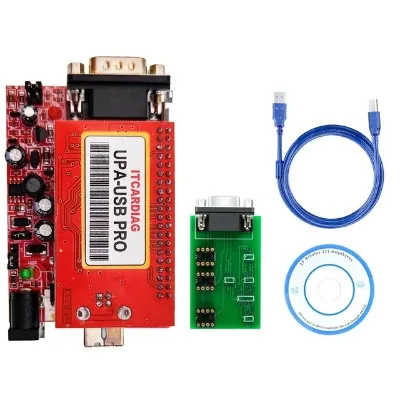
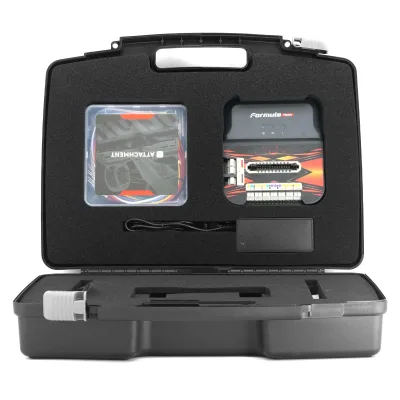
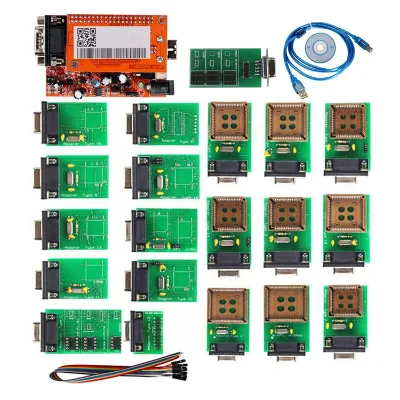
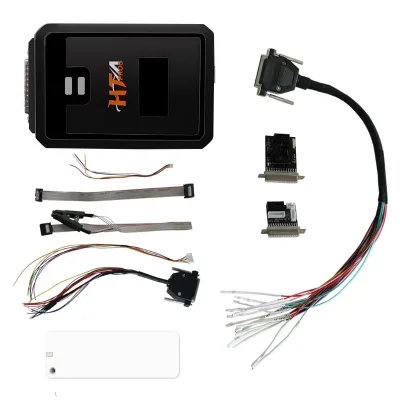
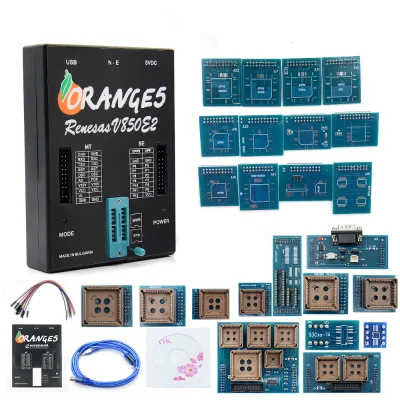
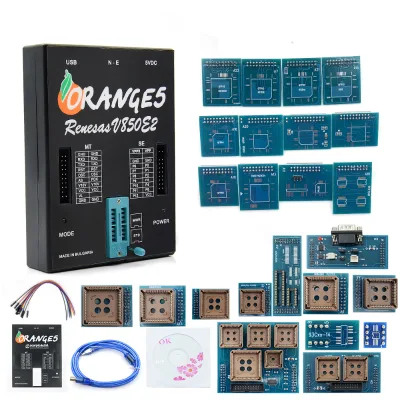
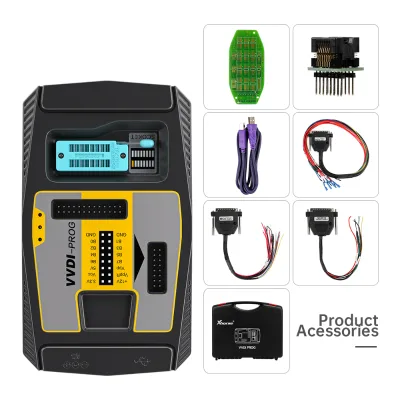


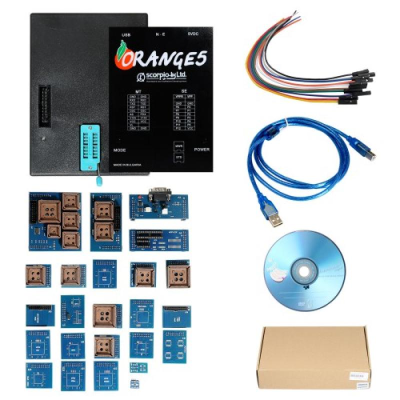
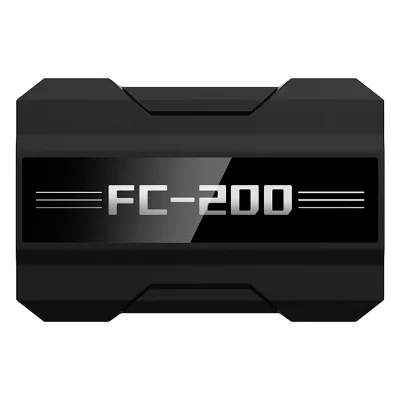
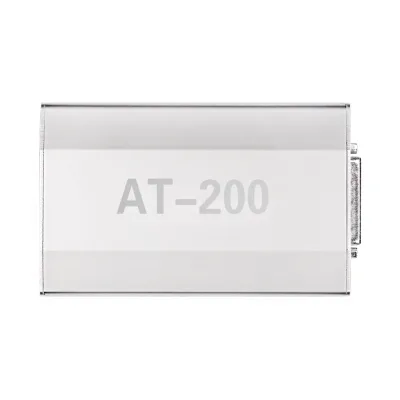
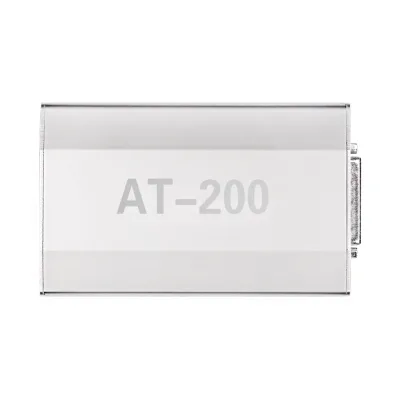
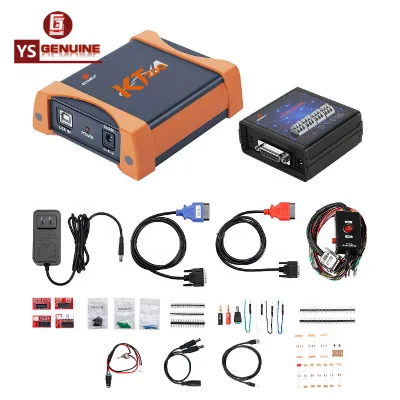
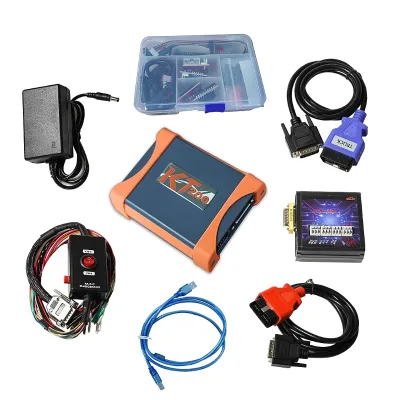
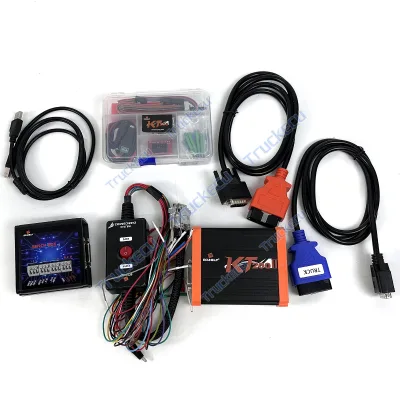
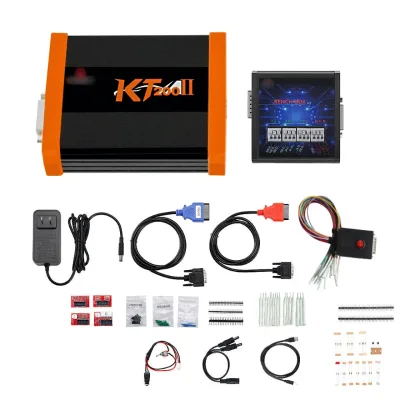

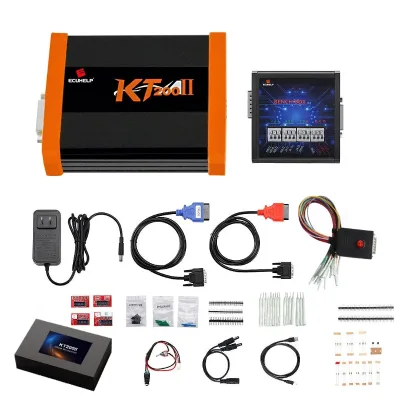
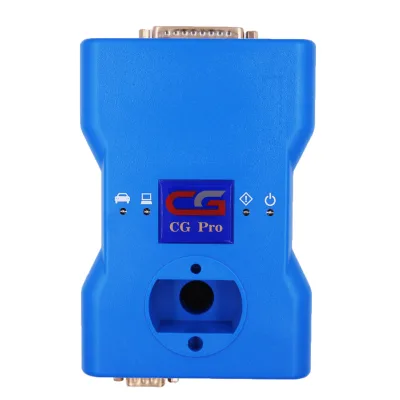
Comprehensive Sourcing Guide
Strategic Sourcing Guide for Multipurpose ECU Chip Tuning Programmers
Understanding the Technical Landscape of ECU Programming Tools
The procurement of a multipurpose ECU chip tuning programmer requires a nuanced understanding of the specific technical attributes that define functionality in the automotive diagnostic and tuning sector. Based on current market observations, these devices are often categorized as engine diagnostic analyzers or specialized ecu programmers designed to interface with various vehicle control units. The core functionality typically revolves around the ability to read, write, and modify data within the Electronic Control Unit (ECU) to optimize performance, correct software errors, or adapt to different vehicle configurations.
A critical technical distinction in this category is the communication interface. Market data indicates that these tools frequently utilize the OBD (On-Board Diagnostics) interface as a primary connection point, allowing for direct vehicle communication. However, specific models may also feature USB connectivity, acting as a bridge between the vehicle's OBD port and a host computer. For instance, observed product attributes list "OBD" and "USB" as distinct communication interfaces depending on the specific model variant. The power requirements for these devices are equally specific; while some units are designed to draw power directly from the vehicle's OBD2 port, others may require an external power source or support specific voltage ranges such as 12V and 24V to accommodate both passenger cars and heavy-duty trucks.
Operating system compatibility is another paramount technical specification. Successful deployment of these programmers often depends on the host computer's environment. Available data suggests that certain models are optimized for legacy and modern Windows environments, specifically citing support for Windows XP, Windows 7, and Windows 10. Conversely, other variants in the same category may be standalone units with "Not Applicable" operating system requirements, relying on embedded firmware rather than external software. Buyers must verify that their internal IT infrastructure aligns with the software requirements of the specific programmer model they intend to purchase to avoid compatibility failures during the tuning process.
Compliance and Certification Verification Protocols
When sourcing industrial-grade automotive diagnostic tools, verifying compliance with international safety and quality standards is essential for risk mitigation. The presence of specific certifications on product listings serves as a primary indicator of regulatory adherence. In the current market, the CE (Conformité Européenne) mark is a frequently observed certification attribute for these devices. This certification implies that the product meets EU safety, health, and environmental protection requirements, which is a critical baseline for importing goods into European markets.
However, the absence of a listed certification on a specific product page does not automatically confirm non-compliance, nor does the presence of a certification guarantee universal applicability across all jurisdictions. Buyers must treat listed certifications as observations of specific batch or model attributes rather than blanket guarantees for all inventory from a supplier. It is imperative to request valid certification documentation directly from the supplier before finalizing a purchase order. This documentation should include test reports and certificates issued by accredited bodies to ensure the device does not pose electromagnetic interference (EMI) risks or electrical hazards to the vehicle's sensitive electronics.
Furthermore, the "Place of Origin" is a significant factor in compliance logistics. Many of these tools originate from manufacturing hubs in Guangdong, China, or other regions within China. While this location is a common source for automotive electronics, it necessitates a rigorous review of the supplier's ability to provide up-to-date compliance documentation that aligns with the destination country's import regulations. Buyers should verify if the specific model supports the language requirements of their target market, as observed attributes include support for English, Russian, and other languages. Ensuring the software interface is available in the local language is a compliance requirement for professional workshops in many regions.
Cost Drivers and Pricing Structure Analysis
The pricing structure for multipurpose ECU chip tuning programmers is influenced by a complex interplay of hardware capabilities, software licensing, and supply chain dynamics. Observed market data reveals a significant price variance, with listings ranging from approximately $19.99 to $1,510. This wide spectrum indicates that the "multipurpose" label can apply to a diverse array of products, from basic USB programmers to comprehensive diagnostic suites with advanced hardware.
Several factors drive these cost variations. First, the hardware specifications, such as the single package size and gross weight, often correlate with the internal component quality and the inclusion of additional accessories. For example, a unit with a single package size of 35x25x13 cm and a weight of 3.5 kg likely contains more robust internal components or a larger screen interface compared to a compact 15x13x8 cm unit weighing 1.0 kg. Second, the software ecosystem plays a crucial role. Products offering "Free Update Online" or extensive vehicle brand support often command higher price points due to the ongoing costs of software development and server maintenance.
The Minimum Order Quantity (MOQ) is another critical cost driver. Market observations show an MOQ range of 1 to 10 units. Suppliers with an MOQ of 1 allow for low-risk trial purchases, which is ideal for small workshops or individual tuners. Conversely, an MOQ of 10 suggests a focus on wholesale distribution, potentially offering lower per-unit costs for bulk buyers but requiring a higher initial capital outlay. Buyers must calculate the total cost of ownership, which includes not only the unit price but also potential shipping costs, import duties, and the cost of any required software subscriptions or hardware upgrades.
Typical Applications and Vehicle Compatibility
The primary application of a multipurpose ECU chip tuning programmer is to facilitate engine diagnostics, ECU reprogramming, and performance tuning across a wide range of vehicle types. The "Universal" fitment attribute is a common specification, indicating that these tools are designed to work with a broad spectrum of vehicle brands and models rather than being restricted to a single manufacturer. This versatility is essential for independent repair shops and tuning centers that service diverse fleets.
Specific applications include reading fault codes, clearing error messages, and performing ECU adaptations. Some advanced models are explicitly marketed as "Truck ECU Programmers," highlighting their capability to handle the higher voltage requirements and more complex architectures found in heavy-duty commercial vehicles. The ability to support both 12V and 24V systems is a key differentiator in this regard, allowing a single tool to service both passenger cars and trucks.
Vehicle compatibility is often determined by the software database included with the hardware. While some listings mention support for "many cars" or "different brands," the actual extent of this support must be verified against the specific vehicle inventory the buyer intends to service. The "Applicable Models" field often lists "Universal Model" or "Universal," but this is a general classification. Buyers should request a detailed compatibility list from the supplier to ensure the tool supports the specific makes, models, and engine types relevant to their business operations. Additionally, the display type, such as LCD, and the screen size (often noted as OBD2 in specifications) are relevant for user interface usability in a workshop environment.
Supplier Evaluation and Vendor Selection Criteria
Selecting the right supplier for ECU programming tools requires a rigorous evaluation process that goes beyond the initial product listing. Since the market contains numerous vendors offering similar specifications, buyers must assess the supplier's reliability, technical support capabilities, and after-sales service. The "Brand Name" associated with the product, such as ITCARDAIG, FormulaFLash, or UPA-USB 1.3, can serve as a starting point for research, but it should not be the sole determinant of quality.
Key evaluation criteria include the warranty period offered. Observed warranty terms vary significantly, with some products offering 12 months or 1 year of coverage, while others may only provide 1 month. A longer warranty period generally indicates the supplier's confidence in the product's durability and their commitment to customer support. Buyers should also investigate the supplier's response time to technical inquiries and their ability to provide firmware updates or troubleshooting assistance.
The "Selling Units" attribute, often listed as "Single item," suggests flexibility in purchasing, but buyers should also inquire about bulk pricing tiers and the availability of spare parts or accessories. Furthermore, the supplier's location and logistics capabilities are vital. While many products originate from Guangdong, China, the efficiency of the shipping process and the reliability of the lead time can impact project timelines. Buyers should request a detailed quotation that includes all potential costs, such as packaging, insurance, and customs clearance fees, to ensure transparency in the procurement process.
Quality Control and Long-Term Procurement Considerations
Ensuring the quality of ECU chip tuning programmers is a continuous process that extends beyond the initial inspection of the product. Quality control measures should include verifying the physical condition of the device upon receipt, checking for any signs of damage or tampering, and testing the communication interface with a known vehicle. The "Single gross weight" and "Single package size" provided in the product specifications can serve as a baseline for verifying that the received package matches the ordered item.
Long-term procurement considerations involve the sustainability of the software support. As vehicle technology evolves, the ECU software must be updated to maintain compatibility. Buyers should prioritize suppliers who offer "Free Update Online" or a clear, affordable pathway for future software upgrades. The "Operating System" requirements, such as support for Windows XP/7/10, also have long-term implications; as operating systems become obsolete, the tool's usability may be compromised unless the supplier provides compatibility patches or migration guides.
Additionally, the "Battery" attribute, often listed as "No," indicates that these devices rely on external power sources. This design choice reduces the risk of battery failure but necessitates a reliable power supply in the workshop. Buyers should ensure that their workshop infrastructure can support the power requirements of the tool, particularly for models that support 24V systems. Finally, maintaining a relationship with a supplier that offers a robust warranty and responsive technical support is crucial for minimizing downtime and ensuring the longevity of the investment in ECU programming equipment.
FAQs
What certifications do multipurpose ecu chip tuning programmers have?
Some models carry the CE certification, indicating compliance with EU safety standards. Buyers must verify specific batch documentation from suppliers as certifications vary by product listing and are not guaranteed for all inventory.
Which operating systems support these ecu programmers?
Certain units require Windows XP, Windows 7, or Windows 10 to function correctly. Other standalone variants have no operating system requirements, so users must check the specific model's software compatibility before purchase.
Can these tools work with both 12v and 24v vehicles?
Yes, some models support both 12v and 24v voltage ranges to accommodate cars and trucks. Other listings specify only 12v, so buyers should confirm the voltage range matches their vehicle fleet before ordering.
What is the minimum order quantity for these programmers?
The minimum order quantity ranges from 1 to 10 units depending on the supplier. Some vendors allow single-item purchases for trials, while others require bulk orders to qualify for wholesale pricing tiers.
How long is the warranty period for these devices?
Warranty terms vary significantly, with some products offering 12 months or 1 year of coverage. Other listings provide only 1 month, so buyers should confirm the specific warranty duration with the supplier.
Where are these ecu programmers manufactured?
Many units originate from Guangdong, China, or other regions within China. Buyers should verify the specific place of origin for their selected model to ensure it aligns with import regulations and logistics requirements.
What communication interfaces do these programmers use?
Devices typically feature OBD or USB communication interfaces to connect with vehicles. The specific interface depends on the model, with some acting as bridges between the OBD port and a host computer via USB.